For your DOT physical, bring a valid photo ID, your driver’s license, a complete list of your medications, your glasses or contact lenses, your hearing aids if you use them, and any records or specialist letters for ongoing health conditions. Bringing these items helps the medical examiner finish your exam in one visit and lowers the chance you leave with a short-term certificate or a request to come back.
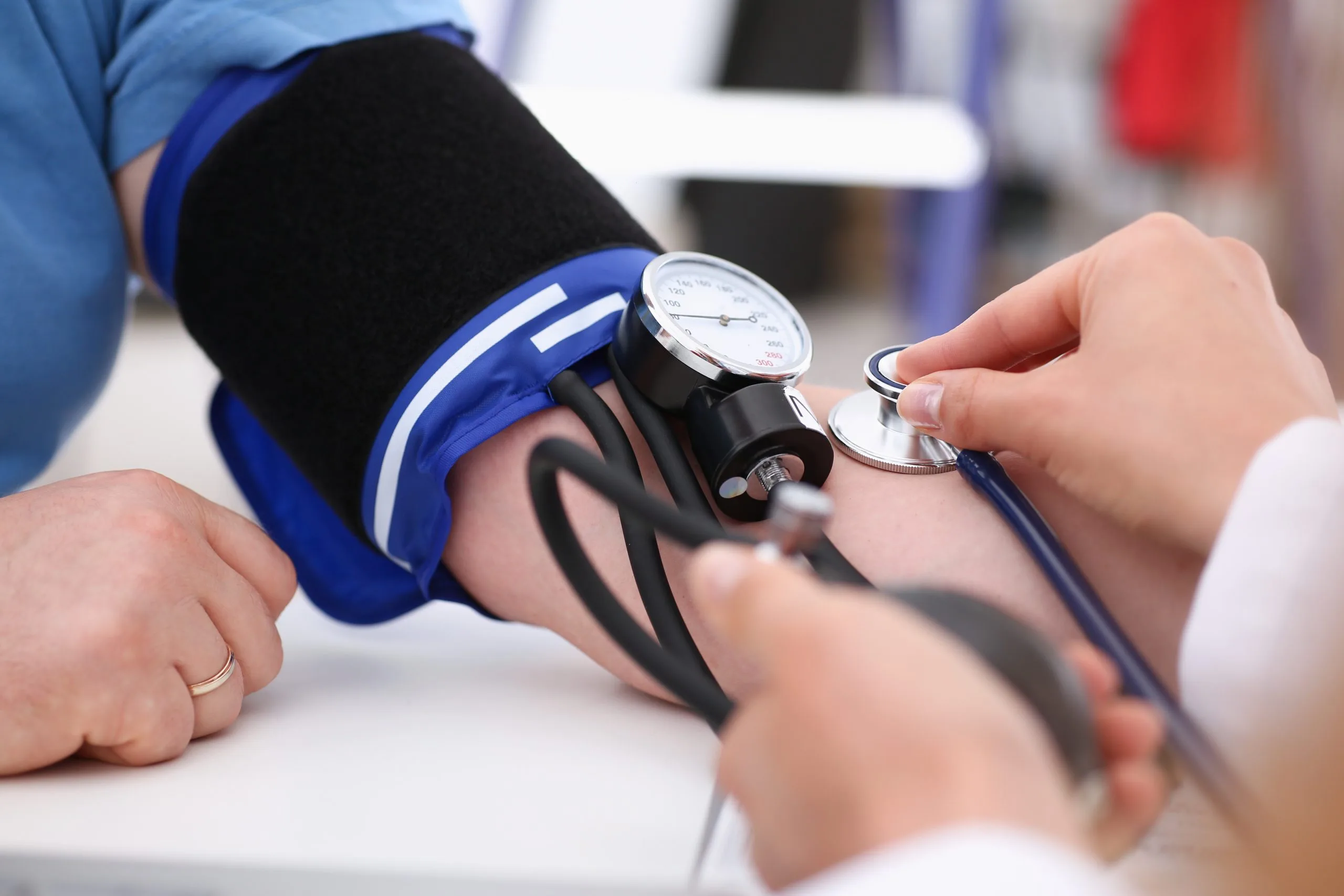
A DOT physical is the federal medical exam required for commercial motor vehicle drivers. It checks that you can safely handle the physical and mental demands of driving a commercial vehicle. The exam reviews your vision, hearing, blood pressure, heart and lung health, nervous system, and a urine sample that screens for protein, blood, and sugar. We offer DOT physicals at our Arlington and Annandale locations.
Most delays come from missing paperwork rather than failed health checks. If the examiner cannot confirm that a condition is under control, they may issue a shorter certificate or ask for more records. This guide, helps you arrive ready so your exam reflects your actual health.
Bring a government-issued photo ID. The examiner must confirm your identity before the exam begins. A driver’s license works for most drivers, and a passport or state ID card works as well.
The federal Medical Examination Report Form, MCSA-5875, includes a health history section that you fill out yourself. It asks about past surgeries, hospital stays, chronic conditions, and medications. Answer every question honestly and completely. Gathering dates of past surgeries and diagnoses beforehand makes this section quicker to finish.
If you already hold a commercial driver’s license or a commercial learner’s permit, bring it. The examiner records your license number and issuing state on your certificate. New drivers who are just starting the licensing process should bring the standard license they currently hold.
Some employers send their own paperwork or require the exam as part of hiring. If your company gave you forms, bring them along. Drivers who also need a general hiring exam may find our pre-employment physicals page helpful.
Write down every medication you take. Include prescriptions, over-the-counter drugs, and supplements. For each one, list the name, the dose, how often you take it, and the clinician who prescribed it. Certain medications affect alertness, so the examiner needs a full picture to make a fair decision.
The vision standard requires at least 20/40 in each eye and a horizontal field of vision of at least 70 degrees in each eye. Glasses or contacts are allowed. Wear or bring the ones you use while driving. If you pass only with corrective lenses, your certificate will note that you must wear them behind the wheel.
The hearing test checks whether you can hear a forced whisper from five feet away. If you wear hearing aids, bring them with fresh batteries. As with glasses, a certificate earned with hearing aids requires you to use them while driving.
Records showing that a condition is well managed can make a big difference. Useful examples include:
Recent blood pressure readings if you are treated for high blood pressure
A recent A1C result if you have diabetes
A CPAP compliance report if you are treated for sleep apnea
Recent heart testing results if you have a heart condition
If your records are out of date, our Lab services can help you get current results.
Drivers with certain conditions should bring a letter from their treating specialist. Common examples include a cardiologist’s note after a heart event or a neurologist’s note for a seizure history. Drivers who use insulin need the Insulin-Treated Diabetes Mellitus Assessment Form, MCSA-5870. Their treating clinician must complete it within 45 days before the exam. Letters should state your diagnosis, your treatment, and whether the specialist considers you safe to drive.
Sleep well the night before. Take your regular medications as prescribed unless your doctor tells you otherwise. Cut back on caffeine and nicotine on exam day, since both can raise your blood pressure. Drink water so you can give a urine sample. Use What to Bring for DOT Physical: A Quick Checklist as a final review the night before, and place everything in one folder.
Drivers who manage long-term conditions such as high blood pressure or diabetes benefit from steady care between exams. Our chronic disease management services support that.
Leaving glasses, contacts, or hearing aids at home
Leaving conditions or medications off the health history form
Forgetting CPAP data or specialist letters for a known condition
Drinking several cups of coffee right before a blood pressure check
Waiting until the week your certificate expires to schedule the exam
Leaving information off the history form is the most serious of these mistakes. Examiners review your records, and an incomplete form can delay your certification.
If you meet the standards, you receive a Medical Examiner’s Certificate, form MCSA-5876. A certificate can last up to 24 months. Drivers with monitored conditions, such as treated high blood pressure, may receive a certificate for a shorter period. The examiner reports your results to the federal National Registry.
CDL holders must also send a copy of their certificate to their state licensing agency. Keep your own copy in a safe place, and set a reminder well before it expires. If the examiner needs more information, you may receive a short-term certificate while you gather records, or you may be asked to return after a condition is better controlled.
A DOT physical goes faster when you arrive prepared. Bring your photo ID, license, medication list, vision and hearing aids, and records for any ongoing conditions. Fill out your health history honestly, and bring specialist letters when your condition calls for them. With these items in hand, you give yourself the strongest chance of leaving with a full certificate.

About the Author
Haroon Rashid, MD, FACP

October 21, 2026
TESTING
ILLNESS & INFECTION
INJURIES & WOUNDS
PHYSICALS & CLEARANCE