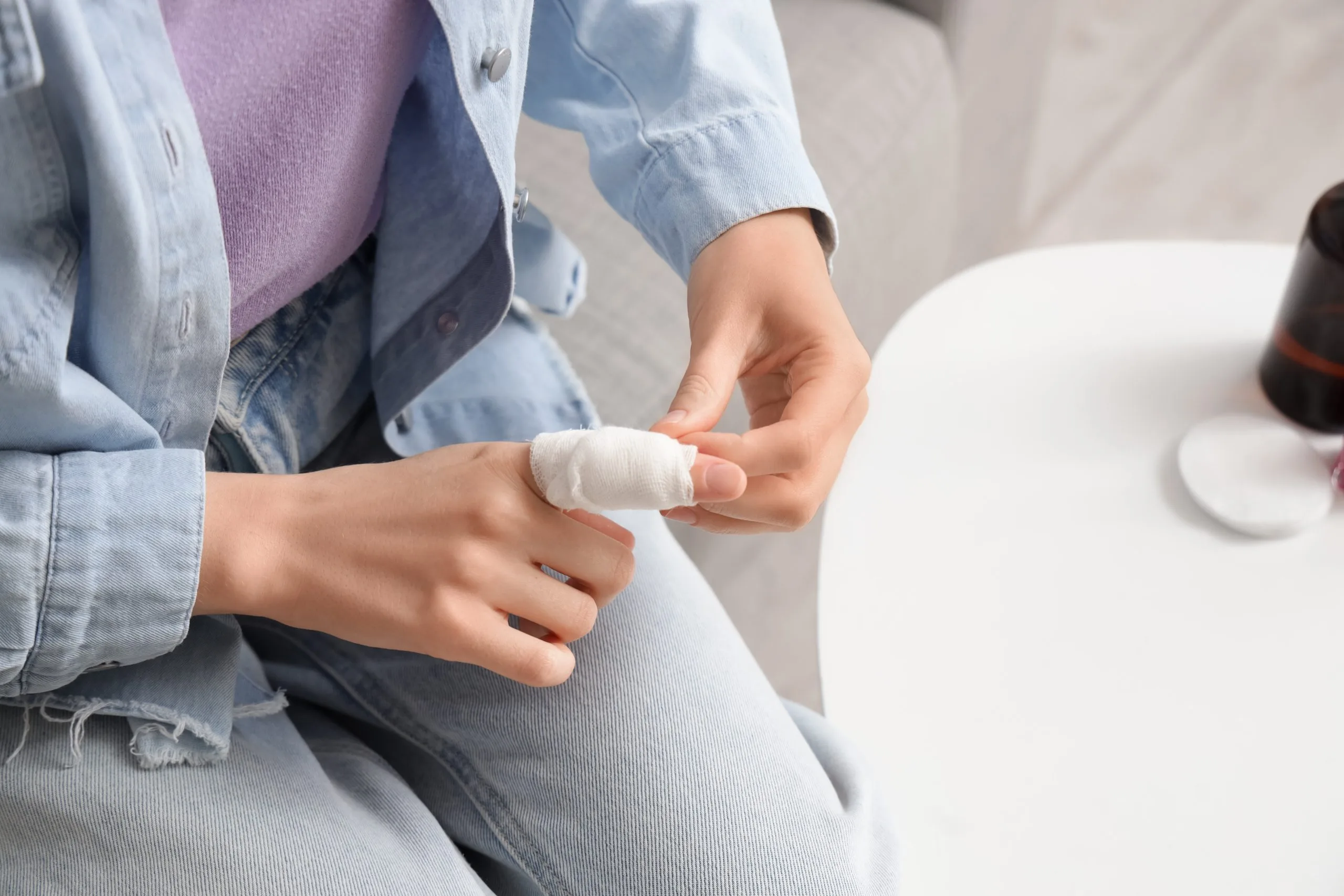
You’re holding a paper towel against a cut that’s still bleeding, and you can’t tell whether this calls for a bandage or a trip to urgent care. It’s getting late, and you’re wondering if waiting until morning is a mistake. Here’s what to know: if a cut needs stitches, you should have it closed within about 8 hours of the injury. Sooner is better, and the first few hours matter most. After that, bacteria have time to settle in, and closing the wound gets riskier. You don’t have to guess about it, either. If the cut is deep, gaping, or won’t stop bleeding, come in the same day, and we’ll take a look.
The 8-hour rule is a rule of thumb that many clinicians use. A fresh cut is relatively clean inside. As hours pass, bacteria multiply in the open tissue, and the body starts the first steps of healing. Closing a wound too late can trap germs under the skin and lead to infection, a more noticeable scar, or both.
It isn’t a hard deadline. Several things change the clock:
Location: Facial wounds have an excellent blood supply and often heal well even when closed later, sometimes up to 24 hours after the injury.
Cleanliness: A cut from a clean kitchen knife is a different story than one from a rusty fence or a muddy trail.
Your health: Diabetes, a weakened immune system, and some medications slow healing and raise infection risk.
Wound type: Bites and deep punctures are handled differently, and many aren’t closed at all.
Most people only need to answer a few questions. A cut probably needs stitches if:
The edges gape open and don’t come together when you gently press them
It’s deeper than about a quarter inch, or you can see yellow fat or red muscle
It’s on a joint like a knuckle, knee, or elbow, where movement keeps pulling it open
It’s on your face, where careful closure helps the scar fade
Bleeding hasn’t slowed after 10 minutes of steady pressure
The edges are jagged or ragged
A shallow scrape, a paper cut, or a clean nick that closes on its own can usually be treated at home. If you’re unsure, that’s reason enough to have a provider look. You can read more about how we close wounds on our stitches page.
What you do in the first 15 minutes helps whether or not you end up needing stitches. Follow these steps:
Wash your hands before touching the wound.
Apply firm, direct pressure with clean gauze or a cloth for 10 minutes. Don’t peek every minute, because that restarts the bleeding.
Raise the area above your heart if you can.
Rinse gently with cool running water once the bleeding slows. Skip hydrogen peroxide and alcohol, which can damage healthy tissue.
Cover it with a clean, non-stick dressing.
Don’t try to push a gaping wound closed with tape or super glue from the junk drawer. Household glue isn’t made for skin, and it can trap dirt inside.
Some injuries shouldn’t wait for any clinic. Call 911 or go to the nearest emergency room if:
Blood is spurting or soaking through bandages quickly
Bleeding doesn’t stop after 15 minutes of firm pressure
You can see bone, tendon, or a large amount of exposed muscle
A body part is numb, can’t move, or has been partly cut off
Something is embedded in the wound, such as glass or metal
The injury came with a head injury, fainting, or severe pain
Don’t pull out an embedded object. It may be plugging a blood vessel, and removing it can make the bleeding much worse.
Many people dread this part more than the cut itself. Here’s what to expect at our clinic:
A careful look. We check how deep the wound is and whether nerves, tendons, or blood vessels are involved.
Cleaning. Flushing out dirt and bacteria is one of the most important steps, and it can matter more than the stitches.
Numbing. We numb the area before we start, so you’ll feel pressure but not sharp pain.
Closing the wound. Depending on the cut, we may use stitches, skin glue, or adhesive strips.
Aftercare instructions. You’ll leave knowing how to keep it clean and what to watch for.
If we think an injury involves a broken bone or something lodged under the skin, we can take an X-ray on site, so you don’t need a second stop.
Don’t assume it’s too late. Come in anyway. We’ll look at the wound, how it has been treated so far, and where it is on your body. Some wounds can still be closed safely, especially on the face or if they’ve been kept clean. Others are better left open and cleaned thoroughly, sometimes closing a few days later once the risk of infection has dropped.
Other options include adhesive strips or skin glue, which work for some cuts that don’t need full stitches. Our wound treatment services cover cleaning, dressing, and follow-up for cuts that aren’t suited to closure.
A cut is a good moment to check your tetanus shot. Tetanus bacteria live in soil, dust, and rust, and they can enter through any break in the skin. Adults generally need a booster every 10 years. If your cut is dirty, we may recommend one if it’s been more than 5 years since your last shot.
If you aren’t sure when you were last vaccinated, tell your provider, and we’ll help you sort it out. Kids are covered too, through our immunizations and vaccines for children.
Children seem to find every corner of a coffee table. A cut on a child’s forehead or chin is common, and it’s one of the situations where closing the wound well matters for how it looks later. Keep your child calm, apply pressure, and bring them in. If your child seems unwell afterward, our same-day pediatric sick visits are available.
How you care for stitches affects how the scar looks. Follow these basics:
Keep the area clean and dry for the first 24 to 48 hours, or as we advise
Change the bandage as instructed, and don’t pick at the area
Avoid soaking in baths, pools, or hot tubs until it has healed
Protect new scars from the sun once the wound has closed
Stitches usually come out in these time frames, though your provider will give you the exact date:
Face: 3 to 5 days
Scalp: 7 to 10 days
Arms and legs: 7 to 10 days
Over joints: 10 to 14 days
Call us or come back if you notice any of these:
Redness spreading outward from the wound
Increasing pain, warmth, or swelling after the first couple of days
Pus or foul-smelling drainage
Red streaks moving away from the cut
Fever or chills
An infected wound can often be treated quickly if it’s caught early. Our skin infection treatment is available for exactly this situation.
You shouldn’t have to wait for a doctor’s schedule to open up when you’re bleeding. Our urgent care team sees walk-ins, and our Crystal City and North Arlington locations are open from 7 a.m. to 11 p.m., every day of the week. Annandale is open Monday through Friday from 9 a.m. to 10 p.m., and Saturday from 9 a.m. to 5 p.m. We accept most major insurance plans, and we offer self-pay rates if you’d prefer to skip insurance.
Here’s a short rule to remember: when in doubt, get it checked, and do it within hours rather than days. If you’re in Arlington or Annandale, call the location nearest you and we’ll tell you how soon to come in.
Disclaimer: This article is for general educational purposes and isn’t a substitute for professional medical advice, diagnosis, or treatment. If you have a severe injury, heavy bleeding, or any life-threatening emergency, call 911 or go to the nearest emergency room. Always talk with a qualified healthcare provider about your specific situation.

About the Author
Haroon Rashid, MD, FACP

October 2, 2026
TESTING
ILLNESS & INFECTION
INJURIES & WOUNDS
PHYSICALS & CLEARANCE